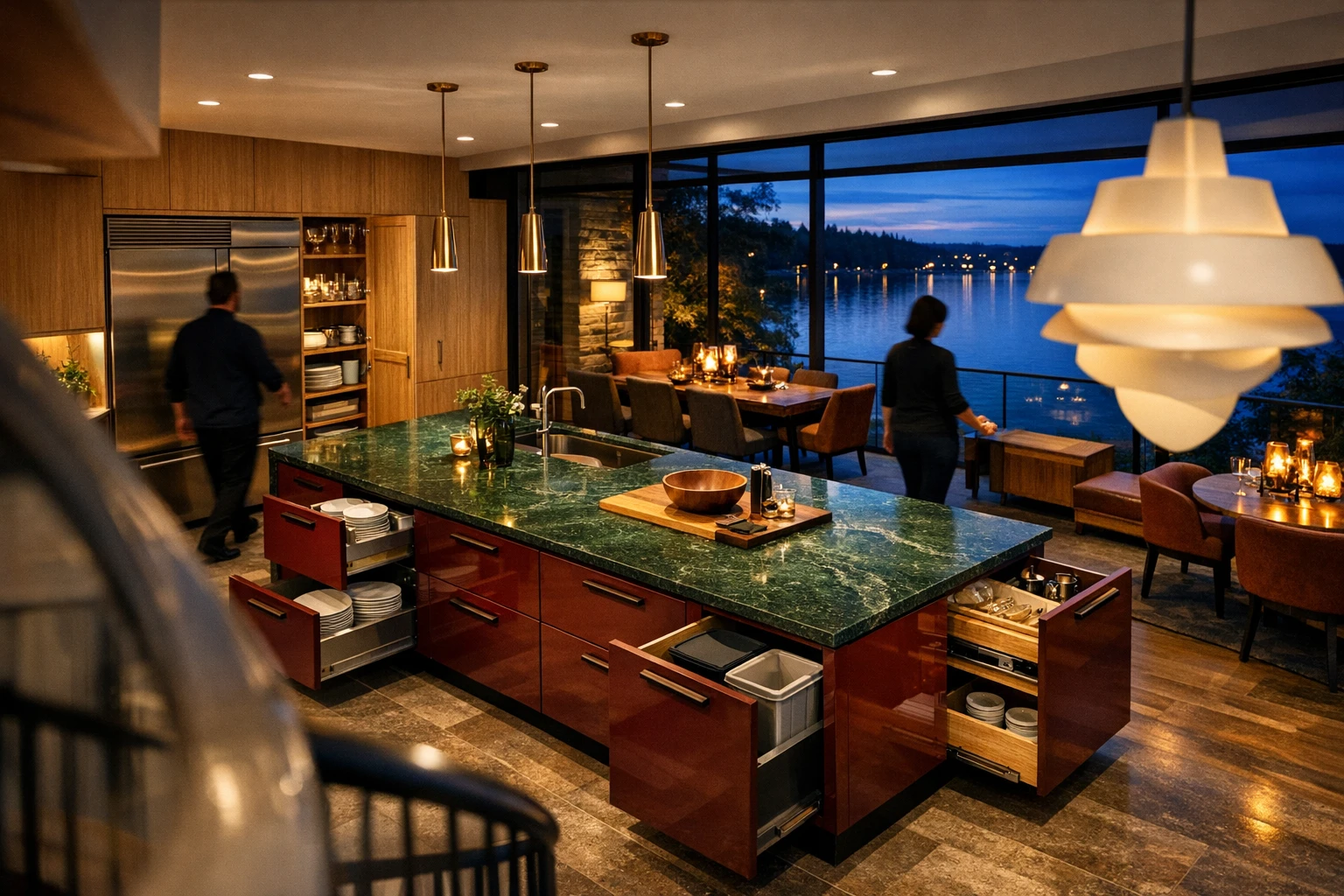
Essential Considerations for Successful Kitchen Remodeling
Introduction and Article Outline: Why Kitchen Remodeling Deserves Careful Planning
Kitchen remodeling blends design, daily comfort, and long-term value in one ambitious project, which is why early decisions matter more than most homeowners expect. A smart plan can reduce waste, control costs, and turn awkward layouts into spaces that work beautifully from breakfast rush to late-night cleanup. Cabinets and countertops often shape both the budget and the personality of the room. Understand them well, and the rest of the renovation becomes far easier to steer.
The kitchen is rarely just a cooking zone. It is a workspace, gathering spot, storage hub, and in many homes the room that quietly dictates the rhythm of the day. Because of that, remodeling it successfully means balancing appearance with performance. A stunning kitchen that lacks landing space near the stove or forces every family member into the same cramped pathway can become frustrating surprisingly fast. Good renovation decisions solve practical problems first and let style support those improvements.
Homeowners often focus on paint colors, splashy fixtures, or the dream image collected from magazines and social feeds. Those elements matter, but the backbone of the room is formed by layout, cabinet planning, and countertop selection. Cabinets determine how efficiently the space stores cookware, pantry goods, and cleaning tools. Countertops shape prep space, durability, and maintenance demands. Renovation planning ties everything together by addressing electrical needs, plumbing limits, lighting, workflow, and budget.
This article follows a clear path so readers can move from broad strategy to material-level decisions. The outline below previews the main topics:
- How to define the scope of a renovation and build a realistic plan
- What to know about cabinet types, materials, construction, and storage features
- How popular countertop materials compare in cost, durability, and upkeep
- How to balance budget, timeline, and long-term value without losing sight of daily use
Think of the remodel as a puzzle with pieces that must fit before the picture looks complete. When those pieces are chosen thoughtfully, the result is not simply a newer kitchen. It becomes a room that supports real habits, welcomes real people, and stands up to real life.
Planning the Renovation: Scope, Layout, Function, and Hidden Costs
A successful kitchen renovation starts long before demolition. The first task is defining what problem the remodel is meant to solve. Some kitchens need more storage. Others suffer from poor traffic flow, weak lighting, outdated finishes, or worn materials. Without a clear priority list, homeowners can spend heavily and still end up disappointed. It helps to separate wishes into categories such as must-have, nice-to-have, and postpone-if-needed. That simple step makes later budget decisions far less emotional.
Layout is usually the most important strategic decision. If plumbing and gas lines remain in place, the remodel may be more affordable. If the sink, range, or dishwasher moves, labor costs often rise because trades need to reroute services and update surrounding systems. An efficient kitchen commonly respects a practical relationship between the sink, refrigerator, and cooking zone, but modern design goes beyond the classic triangle. Today, many households need wider walkways, better seating integration, charging spots, and room for more than one person to work comfortably.
Function should guide every square foot. Consider questions like these:
- Where will groceries land when they come into the house?
- Is there enough uninterrupted prep space near the sink?
- Can oven doors, refrigerator doors, and drawers open without collisions?
- Does the lighting support chopping, reading labels, and cleaning up safely?
Storage planning is equally vital. Deep drawers often outperform lower cabinets with fixed shelves because pots, lids, and heavy appliances are easier to access. Tall pantry cabinets can reclaim underused vertical space. Corner solutions, tray dividers, pull-out trash units, and drawer organizers may sound like small upgrades, yet they often deliver daily convenience that decorative finishes cannot match.
Another major consideration is the hidden side of the renovation. Older homes may require electrical upgrades, wall repairs, ventilation improvements, or code-related corrections once the room is opened up. These surprises are common enough that many professionals recommend a contingency fund, often around 10 to 20 percent of the project budget depending on the age and condition of the home. That reserve can soften the impact of problems such as moisture damage, uneven floors, or outdated wiring.
In practical terms, the best renovation plan is not the one with the longest feature list. It is the one that aligns budget, layout, and household habits into a clear and buildable strategy. When the bones of the project are sound, design choices become easier and far more rewarding.
Cabinets: Construction Quality, Storage Strategy, and Style Decisions That Last
Cabinets usually account for a large share of a kitchen remodeling budget, and for good reason. They occupy substantial visual space, influence storage efficiency, and must withstand years of opening, closing, steam, spills, and impact. Choosing cabinets well means looking beyond color and door style. Construction quality, internal organization, installation precision, and material durability matter just as much as appearance.
Most cabinet projects fall into three broad categories: stock, semi-custom, and custom. Stock cabinets are pre-manufactured in standard sizes and are typically the most budget-friendly option. They can work well in straightforward layouts, especially when speed and cost control are priorities. Semi-custom cabinets offer more flexibility in dimensions, finishes, and features, making them a common middle ground. Custom cabinets are built to exact specifications and are ideal for unusual rooms, specialized storage needs, or homeowners seeking a highly tailored design. The trade-off is a higher price and often a longer lead time.
Material selection affects durability and performance. Common options include:
- Plywood, valued for strength and resistance to warping
- MDF, often used for painted doors because of its smooth surface
- Particleboard, usually less expensive but less moisture-resistant
- Solid wood, attractive and durable, though it can expand and contract with humidity
Door style shapes the overall character of the kitchen. Shaker cabinets remain popular because they bridge classic and modern interiors with ease. Slab fronts create a cleaner, more contemporary look. Raised-panel designs lean more traditional. Finish also matters. Painted cabinets brighten a room and support many design styles, but they can show chips more readily in busy households. Stained wood surfaces tend to reveal grain and can disguise minor wear more gracefully.
Inside the cabinets is where functionality either shines or fails. Soft-close hinges and drawer slides reduce noise and wear. Full-extension drawers allow easier access to items at the back. Pull-out shelves, spice inserts, vertical dividers, and dedicated recycling compartments turn cabinets from simple boxes into efficient tools. These features are especially useful in smaller kitchens, where every inch must work harder.
Installation quality should never be treated as an afterthought. Even excellent cabinets can disappoint if they are poorly aligned or installed on uneven surfaces without proper adjustment. Gaps, crooked reveals, and drawers that do not glide smoothly quickly undermine the finished result. Well-installed cabinetry, by contrast, gives the room a sense of order and polish that people notice instantly, even if they cannot explain why.
Cabinets are the quiet workhorses of the kitchen. They hold the clutter, organize the chaos, and frame the room every time the lights come on. Investing wisely here often pays off not in dramatic headlines, but in smoother mornings, calmer evenings, and a kitchen that simply feels easier to live in.
Countertops: Comparing Materials for Durability, Maintenance, Cost, and Daily Use
Countertops do more than complete the look of a remodeled kitchen. They absorb heavy daily use, define prep zones, influence maintenance routines, and often become one of the most touched surfaces in the home. That makes material selection a practical choice as much as an aesthetic one. The right countertop depends on how the kitchen is actually used, not just how it appears in a showroom under flattering lights.
Quartz is one of the most popular choices in modern remodels because it combines a polished look with low maintenance. As an engineered material, it offers consistency in pattern and color, and it does not require sealing in the way many natural stones do. It is generally resistant to stains and scratches, though excessive heat can still be a concern. Granite remains a favorite for homeowners who prefer natural variation. Each slab is unique, which gives the kitchen a distinctive character, but some granites need periodic sealing to help protect against staining.
Other options serve different priorities:
- Laminate is cost-effective, easy to clean, and available in many patterns, though it is typically less heat- and scratch-resistant than stone-based surfaces.
- Butcher block adds warmth and softness to a kitchen, making it appealing in farmhouse or transitional spaces, but it needs regular maintenance and can show wear if neglected.
- Solid surface materials offer seamless joints and repairable finishes, which can be useful for households that value easy upkeep.
- Porcelain and sintered stone products are gaining interest for their strong resistance to heat, UV exposure, and staining, though fabrication quality is especially important.
Cost varies widely by region, edge profile, slab selection, and installation complexity. In many markets, laminate sits at the lower end of the range, while premium quartz, natural stone, and newer large-format surfaces often land higher. Homeowners should remember that the quoted countertop price may not include sink cutouts, backsplash work, waterfall edges, or special support for overhangs. Those details can shift a budget more than expected.
Maintenance is where reality has the final word. A household with young children, frequent cooking, or limited patience for upkeep may prefer quartz or a durable solid surface. Someone who loves the patina of natural materials might gladly accept the care routine of wood or sealed stone. There is no universally perfect countertop, only a better match for specific habits.
When chosen thoughtfully, a countertop becomes more than a surface. It is the stage for hurried lunches, holiday baking, coffee poured at sunrise, and the little messes that make a kitchen feel alive. Beauty matters, but endurance and usability are what keep that beauty enjoyable over time.
Budget, Sequencing, and Final Guidance for Homeowners
Even a beautifully designed kitchen can become a stressful project if the budget and schedule are unrealistic. One of the smartest steps homeowners can take is to assign spending according to long-term impact. In many remodels, the most valuable investments are layout improvements, cabinet quality, countertop durability, lighting, and professional installation. Decorative extras can certainly add charm, but if the budget becomes tight, it is usually wiser to protect the bones of the project before stretching for luxury accents.
A practical budgeting approach often includes four layers: materials, labor, contingency, and temporary living adjustments. The last category is easy to overlook. During construction, families may spend more on takeout, temporary storage, or small appliance solutions in other rooms. These costs are not glamorous, yet they affect the real total. Sequencing matters too. Cabinets are typically installed before countertops are templated, and countertops must usually be measured after base cabinets are secured in place. Flooring, backsplash timing, appliance delivery, and plumbing hookups all need coordination. If one piece arrives late, several others can be delayed behind it.
To stay organized, homeowners should keep track of:
- Lead times for cabinets, appliances, and fabricated surfaces
- Final dimensions before placing non-returnable orders
- Who is responsible for permits, inspections, and debris removal
- Which decisions must be made early, such as electrical placement and cabinet configuration
Communication with contractors and suppliers is another major success factor. Clear drawings, written approvals, and product specifications reduce confusion. It also helps to visit the site regularly and ask questions early rather than waiting for problems to become expensive. Good professionals usually welcome informed clients who make timely decisions.
For homeowners, the real goal is not chasing a showroom fantasy. It is creating a kitchen that fits the way meals are cooked, mornings unfold, guests gather, and storage is used every day. If that means choosing semi-custom cabinets instead of fully custom ones so better countertops fit the budget, that can be a smart trade. If it means keeping the existing layout while upgrading function dramatically, that can be equally wise.
In the end, a successful kitchen remodel is measured less by trendiness and more by calm usefulness. Choose materials that match your lifestyle, build storage around your routines, and respect the practical limits of time and money. When those choices align, the finished kitchen does not merely look updated. It feels ready for real life, which is exactly what most homeowners need.