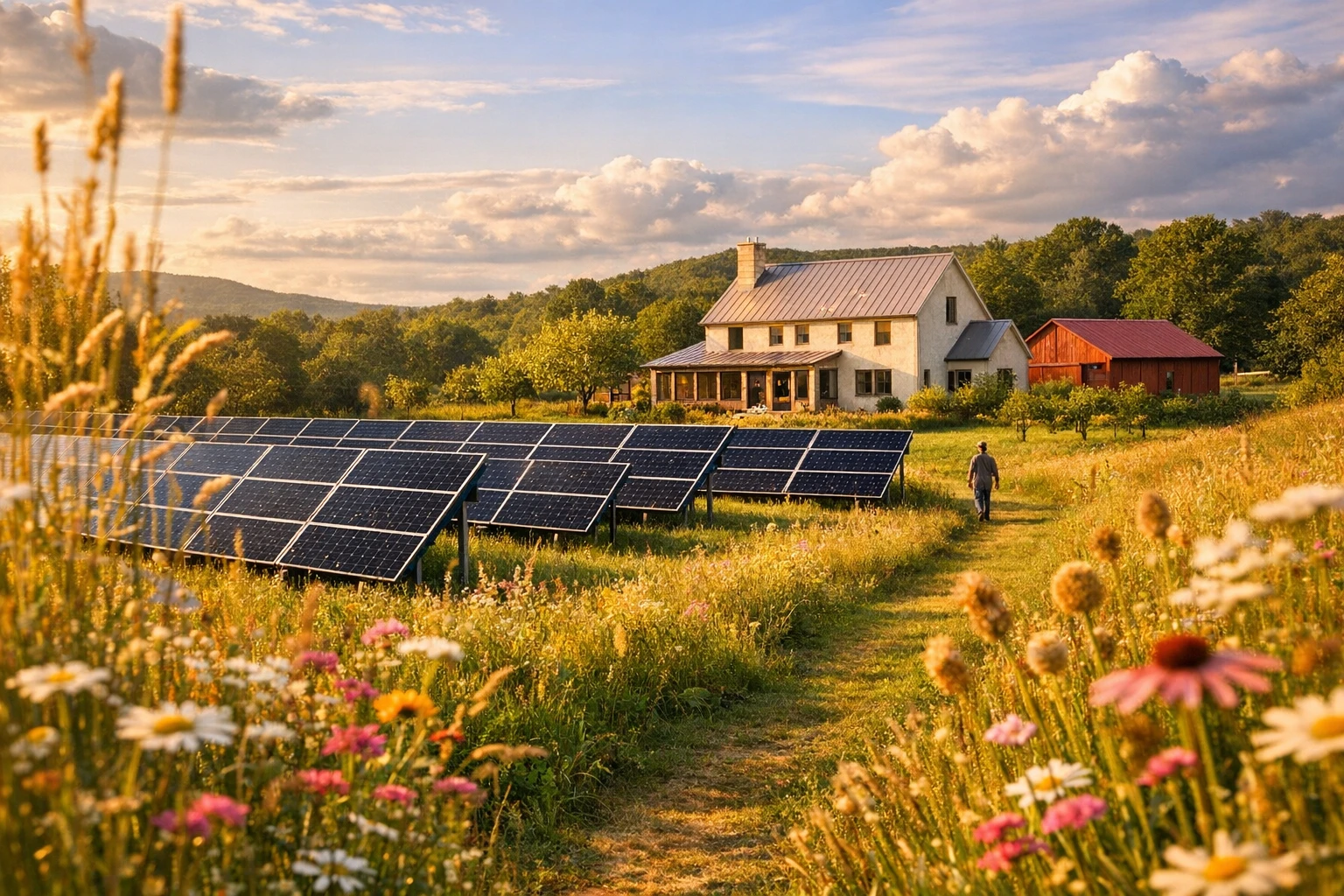
Solar Panel Guide: Benefits, Costs, and How They Work
Solar panels have moved from niche technology to a practical energy option for households, businesses, and communities that want lower bills and less dependence on fossil fuels. As electricity prices shift and climate concerns grow, knowing how these systems work is no longer a specialist subject. This guide explains the technology, the costs, and the trade-offs in plain English. If you want cleaner power without the sales haze, this is a solid place to start.
This article begins with a clear outline and then develops each point in depth. First, it explains how solar panels convert sunlight into electricity and how the main components of a system work together. Next, it looks at the financial, environmental, and practical benefits of going solar. The guide then breaks down costs, incentives, and payback periods before comparing panel types, roof suitability, and installation questions. Finally, it closes with a practical conclusion focused on homeowners and small businesses deciding whether solar is the right move.
- How solar panels generate electricity
- Main benefits for homes and businesses
- Costs, incentives, financing, and payback
- Panel types, roof conditions, and installation planning
- Long-term performance, maintenance, and decision-making
How Solar Panels Work: From Sunlight to Usable Electricity
At first glance, a solar panel looks almost quiet, like a window that forgot its job. In reality, it is a working electrical device built to turn sunlight into direct current electricity through the photovoltaic effect. Most modern residential panels are made from silicon cells. When sunlight hits these cells, photons transfer energy to electrons, and that movement creates an electrical flow. One cell produces only a small amount of power, so manufacturers connect many cells together to form a panel, and multiple panels combine into an array.
A complete solar power system relies on more than panels alone. The panel output is usually direct current, or DC, but homes and most appliances use alternating current, or AC. That is where the inverter steps in. In simple terms, the inverter is the translator of the system, converting DC into AC so the electricity can be used in the building. Some systems use a central string inverter, while others use microinverters attached to individual panels. String inverters often cost less, but microinverters can perform better on roofs with uneven shading or different panel angles because each panel operates more independently.
Several factors shape how much electricity a solar panel system can produce:
- Sunlight intensity and seasonal weather patterns
- Roof direction and tilt
- Shading from trees, chimneys, or nearby buildings
- Panel efficiency and temperature conditions
- System design, inverter quality, and wiring losses
Efficiency is often misunderstood. It does not mean a panel wastes the rest of the sunshine in a dramatic sense; it means the panel converts a certain percentage of available sunlight into electricity. Many mainstream residential panels today fall roughly in the 18 to 23 percent range, though the exact figure depends on model and manufacturer. Higher efficiency panels can produce more power in limited roof space, which is useful when a homeowner wants maximum output from a small roof.
It also helps to compare solar photovoltaic systems with solar thermal systems. Solar PV makes electricity. Solar thermal collects the sun’s heat, often for hot water. They are related technologies, but they solve different problems. Understanding that distinction matters when comparing quotes or reading product descriptions. Once the science is clear, the rest of the decision becomes much less mysterious. Solar is not magic, and that is exactly why it is so compelling: it is a repeatable, measurable way to harvest energy that arrives every day without a fuel truck, a drilling rig, or a noisy engine in the yard.
The Benefits of Solar Panels: Savings, Energy Independence, and Environmental Value
People are often drawn to solar panels for one reason and then stay interested for three or four more. The first hook is usually cost. When a solar system generates electricity during the day, it can reduce the amount of power a household or business needs to buy from the grid. That does not mean every bill drops to zero, and it certainly does not happen in the same way everywhere, but it can noticeably reduce long-term energy costs. In areas with high retail electricity prices, the financial appeal becomes even stronger.
A typical home system in the 5 to 10 kilowatt range may produce a meaningful share of annual electricity demand, especially when paired with efficient appliances and sensible energy habits. The exact output depends on geography, roof orientation, local weather, and shading. In a sunny region, a well-sited 6 kW system can generate thousands of kilowatt-hours each year. In a cloudier area, the same system will produce less, but it may still offer solid value if electricity rates are high enough. Solar is a little like gardening: the same seeds behave differently depending on the climate, the soil, and the care taken with the setup.
There are also environmental benefits that go beyond household budgets. Solar panels produce electricity without on-site combustion, so they do not emit air pollutants while operating. Over their lifetime, they can displace a substantial amount of fossil-fuel-based generation, especially in grids that still rely heavily on coal or gas. The manufacturing of panels does have an environmental footprint, of course, but lifecycle studies generally find that solar systems offset the emissions associated with their production over time. After that payback point, the electricity they produce is comparatively low carbon.
Other benefits are practical rather than purely financial or environmental:
- More predictable energy costs over the long term
- Lower exposure to future utility price increases
- Potential increase in property appeal, depending on market conditions
- Optional backup capability when paired with battery storage
- Quiet operation compared with fuel-based backup systems
Solar panels can also strengthen energy resilience, especially when combined with batteries. A standard grid-tied system usually shuts down during a power outage for safety reasons, but a battery-backed system may keep selected loads running. That can matter for refrigeration, internet equipment, lighting, or critical business operations. Compared with a generator, a solar-plus-battery system is quieter and does not rely on fuel deliveries, though it is usually more expensive upfront.
For households, the benefit may be peace of mind as much as savings. For businesses, solar can support budgeting, sustainability targets, and brand credibility without making unrealistic promises. The strongest case for solar is not that it solves every energy challenge. It is that, in the right setting, it solves several at once with very little daily effort once installed.
Solar Panel Costs, Incentives, and Payback: Understanding the Numbers
Cost is where curiosity often becomes caution. Solar panels are a long-term investment, and the total price of a system includes much more than the modules sitting on the roof. Buyers are paying for panels, inverters, mounting hardware, electrical work, design, permitting, labor, inspections, and in many cases monitoring software. In some markets, a residential solar installation commonly lands somewhere around 2.5 to 4 dollars per installed watt before incentives, though local labor rates, equipment choices, and regulatory requirements can shift that number up or down. Using that rough range, a 6 kW system might cost about 15,000 to 24,000 dollars before any rebates or tax benefits. These are illustrative figures, not universal guarantees.
Battery storage changes the math. Adding a battery can improve backup capability and energy management, but it usually raises the upfront cost significantly. Depending on capacity and brand, batteries can add several thousand dollars to well over ten thousand dollars to a project. For some buyers, that extra resilience is worth it. For others, especially in places with reliable grid service and favorable utility policies, solar without storage may deliver a better financial return.
The main cost variables usually include:
- System size in kilowatts
- Panel efficiency and brand positioning
- Roof complexity and installation difficulty
- Need for electrical upgrades or structural work
- Local permits, utility rules, and labor costs
- Whether storage is included
Incentives can dramatically improve affordability. Depending on the country, state, or utility territory, buyers may have access to tax credits, grants, net metering arrangements, feed-in tariffs, or performance-based incentives. These policies vary widely and can change over time, so it is essential to verify them locally rather than rely on a generic online claim. A system that looks marginal at full retail price may become far more attractive after incentives are applied.
Payback period is another key concept. This is the estimated time it takes for energy savings and incentives to equal the net cost of the system. In many real-world cases, payback may fall somewhere in the 6 to 12 year range, but that estimate can be shorter or longer depending on electricity prices, solar production, financing terms, and maintenance needs. A cash purchase often delivers the strongest long-term savings, but financing spreads the cost over time and can make solar accessible to more households. Leases and power purchase agreements reduce upfront expense even further, yet they also mean the homeowner may not receive the full value of the energy produced.
When comparing proposals, buyers should look beyond the headline price. A cheaper quote is not always the better one if it uses lower quality equipment, omits key services, or assumes unrealistic production. A careful comparison should ask:
- What is the expected annual energy output?
- How was shading modeled?
- What warranties are included for panels, inverters, and labor?
- Are monitoring, permitting, and interconnection included?
- What assumptions were used in the savings estimate?
The numbers matter, but so does the honesty behind them. A credible solar decision is built on transparent assumptions, not glossy percentages floating in the air.
Choosing the Right Solar System: Panel Types, Roof Suitability, and Installation Questions
Not every roof is a perfect stage for solar, and not every panel is trying to play the same role. Choosing the right system begins with understanding the main panel types and how they compare in real use. Monocrystalline panels are the most common choice for residential projects today. They are generally more efficient and have a darker, more uniform appearance, which many homeowners prefer. Polycrystalline panels were once common as a lower-cost alternative, but they have become less dominant as manufacturing improved and pricing shifted. Thin-film panels are lighter and sometimes flexible, but they usually have lower efficiency, so they often make more sense for specialized applications than for compact rooftops.
Panel type is only part of the picture. Roof suitability matters just as much. In the northern hemisphere, south-facing roofs often provide the highest production, but east- and west-facing roofs can still be worthwhile, especially when electricity use is spread across the day. A roof does not need to be perfect to support a useful system. What matters is whether the expected generation justifies the investment. Shading is the great spoiler in many projects. A single tree branch may look harmless in winter and become a serious obstacle in summer. Chimneys, neighboring buildings, dormers, and utility structures can also reduce output.
Here are some of the biggest practical checks before installation:
- Roof age and condition
- Available unshaded surface area
- Roof material and pitch
- Local weather exposure, such as snow or high wind
- Electrical panel capacity and code compliance
- Homeowner association or local permitting requirements
If the roof is old, replacing it before installing solar may be the wiser path. Removing and reinstalling panels later adds cost and inconvenience. Ground-mounted systems can be a strong alternative when roof space is limited or heavily shaded, though they require land area and may involve trenching and additional permitting. Carports and solar canopies are another option, especially for businesses or multi-vehicle households.
Choosing an installer deserves as much care as choosing the hardware. Buyers should ask clear questions and expect direct answers. Good installers usually welcome that. Some useful questions include:
- What system size do you recommend, and why?
- How much annual production do you estimate?
- What assumptions are you making about weather and shading?
- Which inverter setup do you suggest: string inverter or microinverters?
- What equipment and workmanship warranties are included?
- Can you explain the maintenance expectations after installation?
There is also an aesthetic dimension that should not be dismissed. A solar array becomes part of a home’s visual identity. Some homeowners want the highest output possible, while others prefer a lower-profile design that blends neatly into the roofline. The best choice is not the same for everyone. Solar works best when engineering, economics, and everyday living meet in the middle. A well-designed system should feel less like a compromise and more like a quiet upgrade that simply makes sense every time the sun comes up.
Conclusion for Homeowners and Small Businesses: Performance, Maintenance, and Is Solar Right for You?
For most people, the final question is not whether solar panels are interesting. It is whether they are suitable for their roof, budget, and energy goals. The good news is that solar systems are generally low-maintenance once installed. Panels have no moving parts, which keeps routine upkeep relatively simple. In many climates, rain removes much of the dust naturally, though periodic cleaning may help in dry, dusty, or pollen-heavy areas. The more important habit is monitoring system performance. If output drops unexpectedly, the cause could be shading growth, inverter issues, dirt buildup, or an electrical fault that needs attention.
Solar panels also lose a little performance over time, a process known as degradation. Many modern panels degrade slowly, often in the neighborhood of a few tenths of a percent per year, though the exact rate varies by product and conditions. That is why warranties matter. Product warranties often cover defects, while performance warranties typically promise that the panel will still produce a certain percentage of its original capacity after 20 or 25 years. Inverters may have shorter warranty periods than panels, so buyers should review those terms carefully.
For homeowners, the strongest solar candidates usually share a few traits:
- A roof with solid sun exposure and enough space
- Electricity bills high enough to make savings meaningful
- A plan to stay in the property for several years
- Access to local incentives or favorable utility policies
- A preference for long-term value over short-term convenience
For small businesses, the logic can be even more compelling when daytime electricity use is high. Offices, workshops, retailers, and agricultural operations often consume power during the same hours solar panels produce the most. That natural overlap can improve the economics. Businesses may also value the reputational benefit of visible clean-energy investment, especially when customers and partners increasingly pay attention to sustainability practices.
Still, solar is not automatically the right answer for every property. Heavy shading, a failing roof, very low electricity prices, or uncertain ownership timelines can weaken the case. In those situations, energy efficiency upgrades may deserve priority first. Better insulation, LED lighting, efficient heating and cooling equipment, and smarter energy management often work hand in hand with solar, and sometimes they should come before it.
The most useful takeaway for the target audience is simple: solar panels are neither a miracle nor a gimmick. They are a mature technology that can deliver steady value when matched to the right site and expectations. If you are a homeowner or business operator comparing options, focus on roof quality, realistic production estimates, total installed cost, warranty coverage, and local utility rules. When those pieces line up, solar can become one of the rare upgrades that feels practical on day one and still sensible years down the road.


